
When people search for “why does ozdikenosis kill you,” they often encounter alarming articles claiming this mysterious disease attacks vital systems, causes rapid decline, and leads to death. But the very first thing to understand is that ozdikenosis is not a disease recognized by established medical science or major health authorities such as the World Health Organization or the CDC. Medical databases, clinical registries, and peer‑reviewed literature contain no documentation of “ozdikenosis” as a bona‑fide medical diagnosis.
Despite this, the term has gained traction across various websites and viral posts, each offering dramatic descriptions of its supposed fatal mechanisms. Some narratives describe “ozdikenosis” as a condition that disrupts cellular function, attacks immune systems, or causes systemic failure explanations that mimic real biological processes seen in recognized diseases.
This article explores the myth, misinformation, and medical reality behind the phrase, while educating you about how real diseases can become life‑threatening. It will also clarify why the idea of “ozdikenosis” killing someone resonates with readers because it draws on familiar processes seen in actual fatal illnesses.
Understanding Ozdikenosis: What the Term Means (and What It Doesn’t)
The Myth of Ozdikenosis
Most online references describe ozdikenosis as a rare, aggressive, progressive disease that affects multiple body systems and is ultimately fatal. According to some sources, the disease starts at the cellular or neurological level and eventually leads to collapse of vital systems such as breathing, heart function, or metabolic regulation.
However, credible medical authorities and databases do not list ozdikenosis as an identifiable disease. No clinical case studies, genetic markers, or diagnostic criteria exist for it in recognized scientific repositories. Its appearance in health conversations is almost entirely confined to speculative or low‑authority web content.
Why the Term Sounds Medical
The suffix “‑osis” is commonly used in medical terminology to denote a disease, condition, or pathological change (e.g., fibrosis, tuberculosis). Because of this, words ending in ‑osis appear authoritative and clinical, even when they lack scientific basis which helps explain why “ozdikenosis” spread online.
In reality, the correct interpretation of such queries involves understanding real medical conditions and mechanisms that can be fatal and that’s what we’ll focus on next.
Why People Believe Ozdikenosis Kills: The Internet’s Role in Health Misinformation
Viral Spread of Scary Terms
People often encounter “ozdikenosis” via social media, forums, or clickbait headlines that promise dramatic explanations of how it kills. These narratives tap into deep‑seated fears about hidden illnesses and internal collapse, even when there’s no verifiable scientific backing.
This isn’t unique to ozdikenosis similar phenomena occur with other invented medical conditions that capture the imagination due to their technical sounding names.
Mistaking Real Mechanisms for Fiction
Interestingly, many fictional descriptions borrow elements from real medical science, such as organ failure, immune dysregulation, neurological breakdowns, and energy metabolism collapse. These processes are real and do kill people in known diseases, but conflating them into a single fantastical condition leads to misinformation.
Real Fatal Mechanisms in Genuine Diseases
To truly understand why any condition can be fatal, it helps to look at how real diseases kill.
1. Organ Failure due to Infection or Chronic Disease
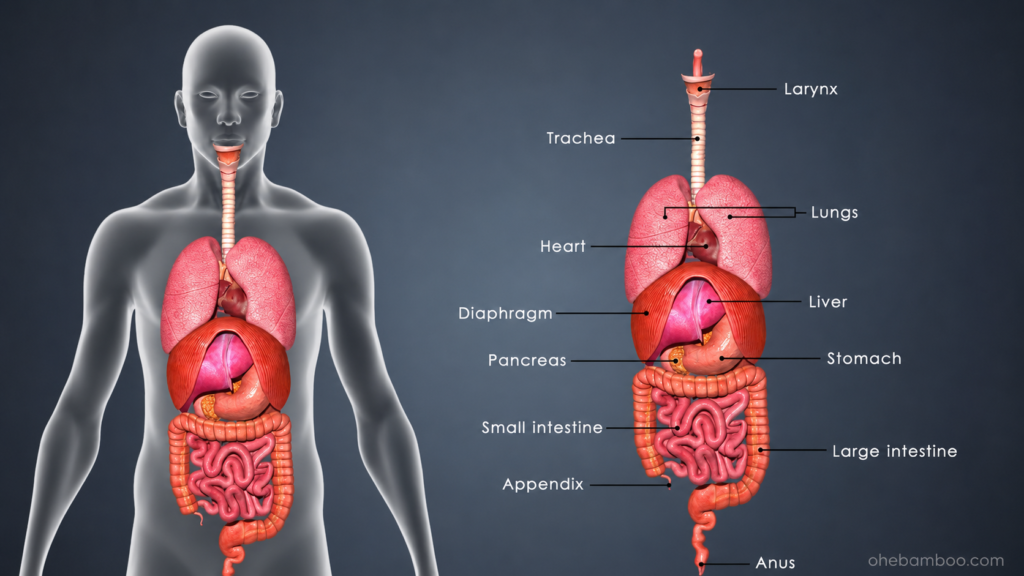
Most life‑threatening illnesses, including infections, cancer, autoimmune disorders, and chronic organ disease, lead to death by causing vital organ systems to fail. When the heart, lungs, kidneys, or liver cannot perform their essential tasks, the body can no longer maintain life. This is actual medical science, not internet fiction.
Take histoplasmosis, for example a fungal infection that can become severe and dangerous in people with weakened immune systems. It starts in the lungs but can disseminate to other organs if untreated.
2. Systemic Inflammation and Sepsis
Sepsis is a true medical emergency where the body’s response to infection spirals out of control, causing widespread inflammation, clotting abnormalities, and organ dysfunction. This cascade can quickly overwhelm the body and lead to death if not treated promptly.
3. Metabolic Collapse
Genetic disorders that affect cellular metabolism such as mitochondrial diseases impair the ability of cells to produce energy. Without sufficient ATP (the molecule cells use for energy), organs begin to fail. These diseases are real, though rare, and illustrate how cellular processes can become life‑threatening.
Why Fatal Diseases Happen: The Human Body at the Edge
Understanding why diseases can kill requires knowing how the body functions under stress.
Vital Organs Cannot Survive Without Energy
Cells require a constant supply of oxygen and nutrients to produce energy. When energy production falters whether due to infection, genetic conditions, or organ damage tissues begin to fail. The brain, heart, and lungs are especially sensitive to energy shortages.
Some fictional descriptions of ozdikenosis talk about energy collapse at the cellular level. While they’re not anchored in scientific evidence, the concept reflects the real mechanisms seen in metabolic disorders.
Multi‑Organ Failure Is Fatal
Once multiple organs begin to fail, the body loses its ability to maintain homeostasis the critical balance required for survival. In serious conditions like advanced sepsis, end‑stage heart disease, or fulminant liver failure, this multi‑organ decline directly leads to death.
Why Early Symptoms Go Unnoticed in Serious Illnesses
One reason serious diseases become deadly is their subtle onset. Many dangerous conditions begin with vague symptoms fatigue, malaise, mild cognitive changes that people often dismiss as stress or aging.
When early warning signs are ignored or misinterpreted, underlying disease progression can continue unchecked. This is true for real conditions like autoimmune diseases or metabolic disorders, and misunderstanding this can make rumors like ozdikenosis harder to dismiss emotionally.
Misdiagnosis and Delayed Treatment: Real Risks, Real Consequences
In real medical practice, rare diseases and unusual symptom patterns can be challenging to diagnose. Physicians may rule out common causes first before considering rarer conditions.
Delays in accurate diagnosis and treatment do contribute to worse outcomes in many diseases but this is a real diagnostic challenge, not an argument for the existence of a fictional condition.
How to Approach Health Information Online
Because queries like “why does ozdikenosis kill you” reflect genuine concern, it’s important to approach health information carefully:
-
Consult trusted medical sources such as the CDC, WHO, and peer‑reviewed medical journals.
-
Talk to qualified healthcare providers if you’re worried about symptoms.
-
Avoid jump‑to‑conclusion narratives promoted by low‑quality websites.
Reliable information reduces anxiety and leads to better health outcomes.
Read More: Why Does Ozdikenosis Kill You? Expert Insights and Medical Explanation
Conclusion
So, why does ozdikenosis kill you? The straightforward and medically accurate answer is:
It doesn’t because “ozdikenosis” isn’t a recognized medical condition.
The fear inspired by the term stems from internet speculation, dramatic descriptions, and confusion with real disease mechanisms that can be fatal. When we strip away the myth, the biological explanations people seek like organ failure, immune dysregulation, and energy collapse correspond to established processes in real, serious diseases.
Understanding how real conditions progress helps answer the underlying fear behind the question. Most fatal diseases affect the body at the cellular level first, then compromise vital systems, and ultimately lead to multi‑organ failure if not diagnosed and treated promptly.